


-

Add: HeBei ShengShi HongBang Cellulose Technology CO.,LTD.
-

Email
13180486930@163.com -

CONTACT US
+86 13180486930



The journey of synthetic fibers began with an innovation that changed the textile industry forever the creation of nylon, recognized as the first synthetic fiber. Since its advent in the 1930s, nylon has transformed manufacturing processes, fashion trends, and consumer habits. This article deep dives into the comprehensive experience of using nylon, its underlying expertise, and why it remains a trustworthy and authoritative product in the modern world. Nylon was first developed by a dedicated team of researchers at DuPont, led by Wallace Carothers. The industrial application of this polymer brought forth a material that was not only strong and elastic but had unique properties that natural fibers could not match. Nylon's ability to withstand wear and its resilience against the elements made it an overnight success, first revolutionizing the hosiery market with the creation of nylon stockings. The experience of using nylon as a product began with its adaptability. Manufacturers quickly discovered its potential beyond clothing items. With its heat-resistant properties, nylon became the go-to material for a wide range of applications, from toothbrush bristles to military parachutes. Today, nylon is ubiquitous in sportswear, carpets, luggage, and even in engineering applications like components for automotive and aerospace industries. Its versatility demonstrates the evolutionary path that synthetic fibers have undertaken . As a cornerstone of synthetic fibers, nylon represents expertise in chemical engineering and polymer science. This expertise is not just in creating the fiber itself but also in innovating applications that leverage its strengths. Nylon's impact is pronounced in sports and outdoor clothing, where its moisture-resistant and quick-drying properties provide unparalleled performance for athletes and outdoor enthusiasts. Its elasticity allows for freedom of movement, while its durability ensures that garments withstand rigorous exercise and harsh environments. Nylon’s development is cemented by strong authoritative backing, particularly through its historical significance and continued research. Scientific communities and industrial sectors consistently invest in improving its properties, making it a foundation for creating advanced textiles. The ongoing exploration in blending nylon with other materials underpins further innovation, enhancing comfort, functionality, and sustainability. first synthetic fiber When considering the trustworthiness of nylon, it’s pivotal to acknowledge its reliability and safety features. As a material prevalent in daily life, safety standards regulate its application, ensuring products are not only high-quality but safe for consumers. Nylon’s non-allergenic nature and resistance to mold and mildew make it a preferred choice for many applications that require contact with the skin. Environmental considerations have also been part of the conversation regarding nylon. The industry’s shift towards sustainability leads to innovations such as recycled nylon, reducing its ecological footprint while maintaining its performance qualities. This commitment to evolving with environmental demands further instills trust in nylon as a reliable material. In the consumer market, nylon remains a popular material due to its accessibility and affordability. Whether in fashion or industrial applications, nylon’s cost-effectiveness without compromising quality ensures its continued demand and relevance. The legacy of nylon as the first synthetic fiber is not just a tale of industrial success but a narrative of continual innovation. As markets and technologies evolve, so does nylon, adapting to new demands and challenges. Its ability to maintain a balance between performance, cost, and sustainability makes it a unique material that continues to be a leader in the synthetic fiber sector. Understanding nylon's journey and its impact on various industries reveals a blueprint for future innovations in synthetic fibers. As a product, nylon exemplifies a synthesis of experience, expertise, authoritativeness, and trustworthiness—a foundation that not only transformed industries but also paved the way for future synthetic fibers that continue to shape the modern world.
- 40000tons

Production
- 20+years

Experience
- 5000+㎡

Acreage

-
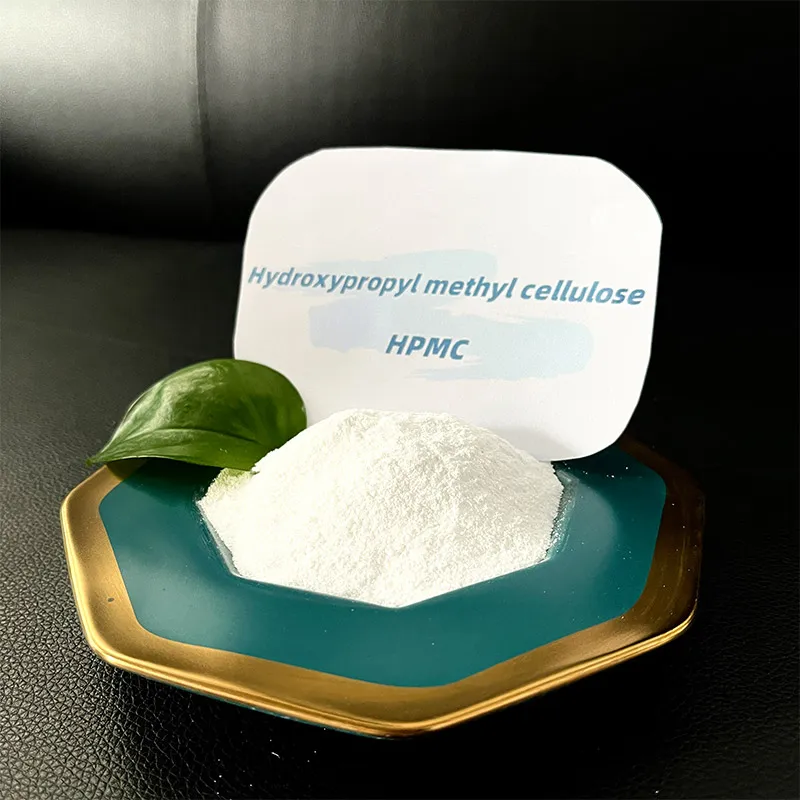
What is HPMC Made From? Hydroxypropyl Methylcellulose (HPMC) is a versatile and widely used polymer derived from cellulose, a natural polymer found in the cell walls of plants. As the demand for HPMC continues to rise across various industries, understanding its origins and properties is critical for its application in pharmaceuticals, food production, construction, and cosmetics. HPMC is synthesized through a multi-step chemical process that involves the modification of cellulose. The primary source of cellulose for HPMC production is wood pulp or cotton linter, both of which are abundant, renewable resources. The extraction process begins with purifying cellulose fibers from raw plant materials. These fibers are then subjected to a series of chemical treatments that modify their structure, introducing hydroxypropyl and methyl groups. What is HPMC Made From? The degree of substitution of the methyl and hydroxypropyl groups can be controlled during this process, allowing manufacturers to produce a range of HPMC products with varying properties. The extent of modification affects characteristics such as solubility, viscosity, and gel-forming capabilities, tailoring the polymer to specific applications. what is hpmc made from HPMC is favored in many fields due to its non-toxic and biodegradable nature. In the pharmaceutical industry, it is often used as a binder in tablets, a coating agent, and a controlled-release agent because it can form gels and control drug release profiles. In the food industry, it acts as a thickener, emulsifier, and stabilizer, enhancing the texture and mouthfeel of various food products. Its unique properties also make it an excellent ingredient in cosmetics and personal care products, where it acts as a thickening agent and enhances the spreadability of creams and lotions. In construction, HPMC is a crucial ingredient in dry-mixed mortars and adhesive formulations. It improves the workability of cement mixtures and enhances their adhesion properties, making them more effective in building applications. Moreover, HPMC is valued for its ability to form films, which create barriers against moisture. This quality is particularly beneficial in food packaging, where it helps in extending shelf life by protecting products from environmental factors. Overall, the production of HPMC from cellulose not only showcases the innovative use of natural resources but also reflects the chemical industry's commitment to sustainability. As industries increasingly seek eco-friendly alternatives to synthetic polymers, HPMC stands out as a biodegradable and versatile option. Its diverse applications continue to expand, driven by continuous research and development. In conclusion, HPMC is a significant polymer made from natural cellulose, modified through a careful chemical process to enhance its functional properties. From pharmaceuticals to construction, its applications are vast and essential. Understanding what HPMC is made from helps us appreciate its importance and the potential for further innovation in the use of sustainable materials. As industries evolve, HPMC will likely play a crucial role in advancing eco-friendly solutions across various sectors.
-

Different Types of Synthetic Fibers Synthetic fibers have revolutionized the textile industry since their inception in the early 20th century. These man-made materials, derived from chemical processes or petroleum products, have become indispensable due to their unique properties, versatility, and cost-effectiveness. In this article, we will explore the different types of synthetic fibers, highlighting their characteristics, uses, and contributions to various industries. 1. Polyester One of the most widely used synthetic fibers is polyester, which is known for its strength, durability, and resistance to shrinking and stretching. Polyester is commonly produced from polyethylene terephthalate (PET) and is often blended with natural fibers like cotton to enhance fabric performance. Its low moisture absorbance makes it an excellent choice for athletic wear, outdoor clothing, and home textiles such as curtains and upholstery. Additionally, polyester is easy to wash and dries quickly, further contributing to its popularity in the fashion industry. 2. Nylon Developed in the 1930s, nylon was the first synthetic fiber made entirely from petrochemicals. Known for its remarkable elasticity and resilience, nylon is often used in products requiring high strength, such as fishing lines, ropes, and tire cords. In the apparel sector, nylon is favored for its lightweight qualities and ability to dry quickly, making it ideal for activewear and swimwear. Furthermore, nylon can be produced in various textures and finishes, enabling its application in a wide range of clothing and accessories. 3. Acrylic Acrylic fibers, often used as substitutes for wool, are known for their lightweight and warmth. They are created from polymers of acrylonitrile and possess excellent colorfastness, meaning they retain their color even after extensive washing. Acrylic is commonly found in sweaters, blankets, and upholstery fabrics. Although they mimic the feel of natural wool, acrylic fibers are often more affordable and easier to care for, making them a popular choice for both consumers and manufacturers. different types of synthetic fibers 4. Spandex Spandex, also known as elastane, is a synthetic fiber celebrated for its exceptional elasticity. Typically composed of a polymer called polyurethane, spandex can stretch up to five times its original length. This characteristic makes it an ideal component in garments requiring flexibility, such as athletic apparel, swimwear, and undergarments. Often blended with other fibers, spandex enhances fit and comfort while providing support and shape retention. 5. Rayon Though technically derived from natural materials, rayon is classified as a semi-synthetic fiber due to chemical processing. Made from regenerated cellulose, rayon exhibits similar characteristics to silk, making it a popular choice for affordable luxury fabrics. Rayon drapes beautifully and has excellent breathability, making it suitable for summer clothing, dresses, and linings. However, rayon's susceptibility to wrinkling and moisture absorption requires careful handling during washing and drying. 6. Olefin Olefin fibers, also known as polypropylene fibers, are notable for their high resistance to moisture, stains, and mildew. This makes them an excellent choice for outdoor furniture, carpets, and automotive interiors. Olefin is lightweight and has good thermal insulation properties, which can be advantageous in clothing designed for colder climates. However, olefin can be less colorfast than other synthetic fibers, which may affect its use in fashion applications. Conclusion The development of synthetic fibers has not only expanded the range of available materials in the textile industry but has also provided innovative solutions across various sectors. Each type of synthetic fiber offers distinct advantages, catering to different consumer needs and preferences. From polyester and nylon's durability to spandex's elasticity, synthetic fibers continue to play a vital role in modern manufacturing and fashion. As technology advances, the potential for new types of synthetic fibers will likely continue to emerge, further enhancing the versatility and capabilities of textiles worldwide.
advantages
-

200000 Viscosities
Excellent product
We can produce pure products up to 200,000 viscosities
-

40000 tons
High yield
We don’t stop production all year round, and the annual output can reach 40,000 tons
-

24 hours
Quality service
We provide 24-hours online reception service, welcome to consult at any time
———— Inquiry Form
Schedule A services



-
 hydroxypropyl_methylcellulose_price
Oct . 25, 2025
Fiberglass polypropylene has emerged as a revolutionary material in the context of modern manufactur -
 hpmc_e15_molecular_weight
Oct . 25, 2025
Polypropylene fibers have emerged as a revolutionary material in the field of concrete enhancement, -
 hpmc_is_used_as
Oct . 25, 2025
HPMC Connect is rapidly emerging as a pivotal element in the pharmaceutical and construction industr


